
Why it is protected, and how visitors can help
Sodwana's reefs, nesting beaches and coastal forests form part of the iSimangaliso World Heritage Site landscape and the Maputaland Marine Protected Area.
That protection is what keeps the diving, the fishing and the turtles possible, and it asks a little care in return.
Why this coast is protected
iSimangaliso was listed as South Africa's first UNESCO World Heritage Site in 1999, and its waters are a marine protected area. Warm ocean conditions help sustain the southernmost coral reefs in Africa, and the beaches are among the most important turtle-nesting grounds on the continent. It is one of the richest stretches of coast in the country, which is exactly why it is preserved.
A protected and inhabited coast
Protection here was hard-won. Through the 20th century the wider area faced commercial forestry, disruption of the estuary system, and, in the late 1980s, a proposal to mine the coastal dunes. A public campaign and a formal environmental assessment ended with mining refused and the coast kept intact, and the separate reserves were consolidated into one park.
This is a living coast, not an empty one. Local communities are part of its present as well as its past, through employment, tourism, fishing traditions and stewardship, and the park is managed to share its benefits with the people who live alongside it.
How it is looked after today
iSimangaliso is run by a dedicated management authority, working with Ezemvelo KZN Wildlife. On this coast that means a marine protected area with rules on fishing, diving and boat launching, controlled access through the gates, and one of the longest-running turtle monitoring programmes anywhere.
How visitors help
Divers and fishers are some of this coast’s best allies. The rules are few, and they make the difference between a reef that thrives and one that is loved to death.
The visitor code
- Dive and snorkel light. Good buoyancy, fins and hands well clear of the coral, and sunscreen that follows current park guidance. The reef grows only a few millimetres a year
- Give turtles, sharks and rays space. No touching, riding or chasing. Watch, and let them come to you
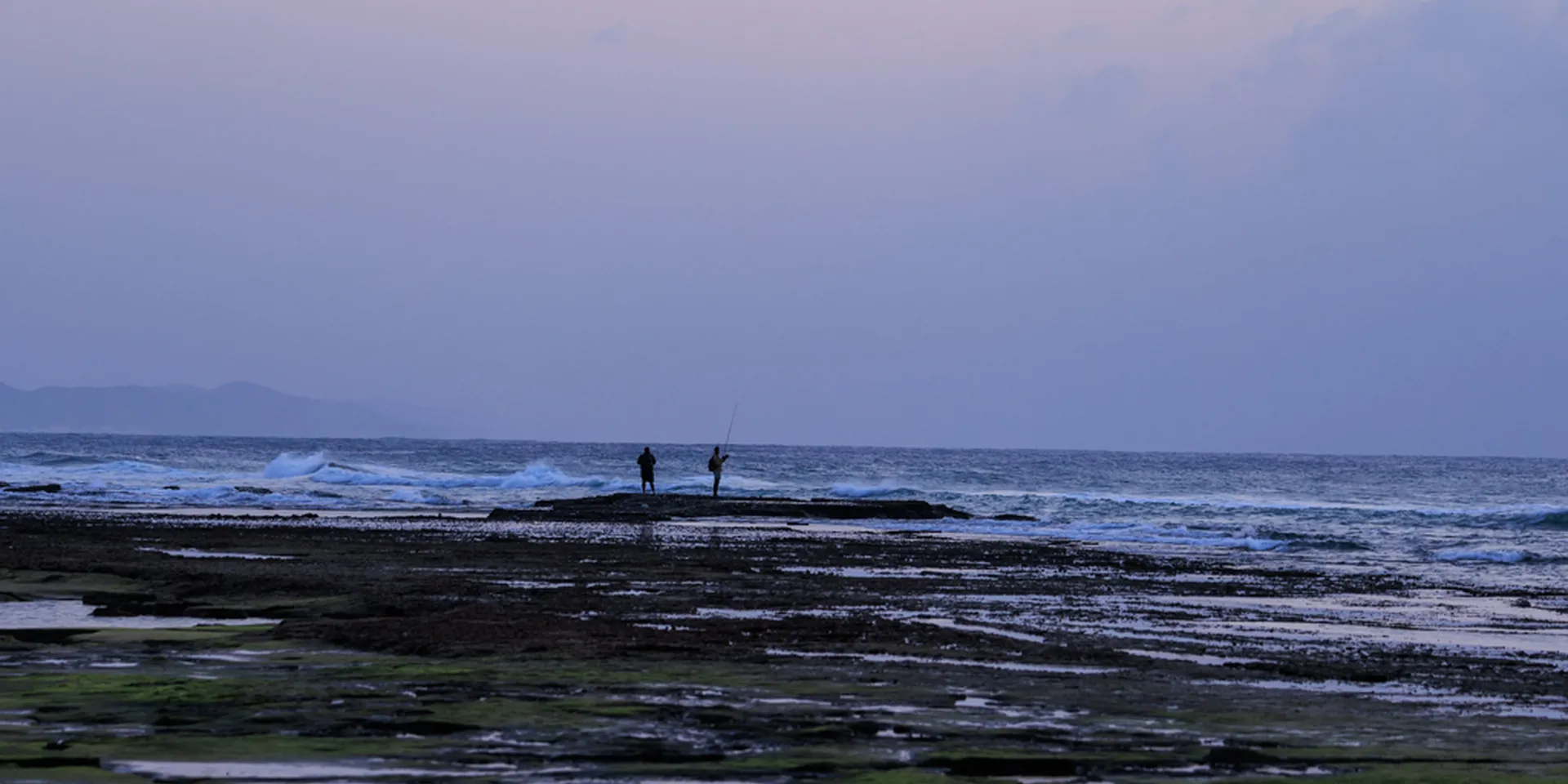
- Fish by the rules. Marine protected area limits, permits and no-take zones apply. Know them before you launch
- Leave no trace. Carry out everything you carry in, keep to the tracks, and be back inside the gate before it closes